📣
Just Launched: Live 1-on-1 AI courses for Grades 3–10 — kids learn how AI works, never to lean on it


 Login
 Home


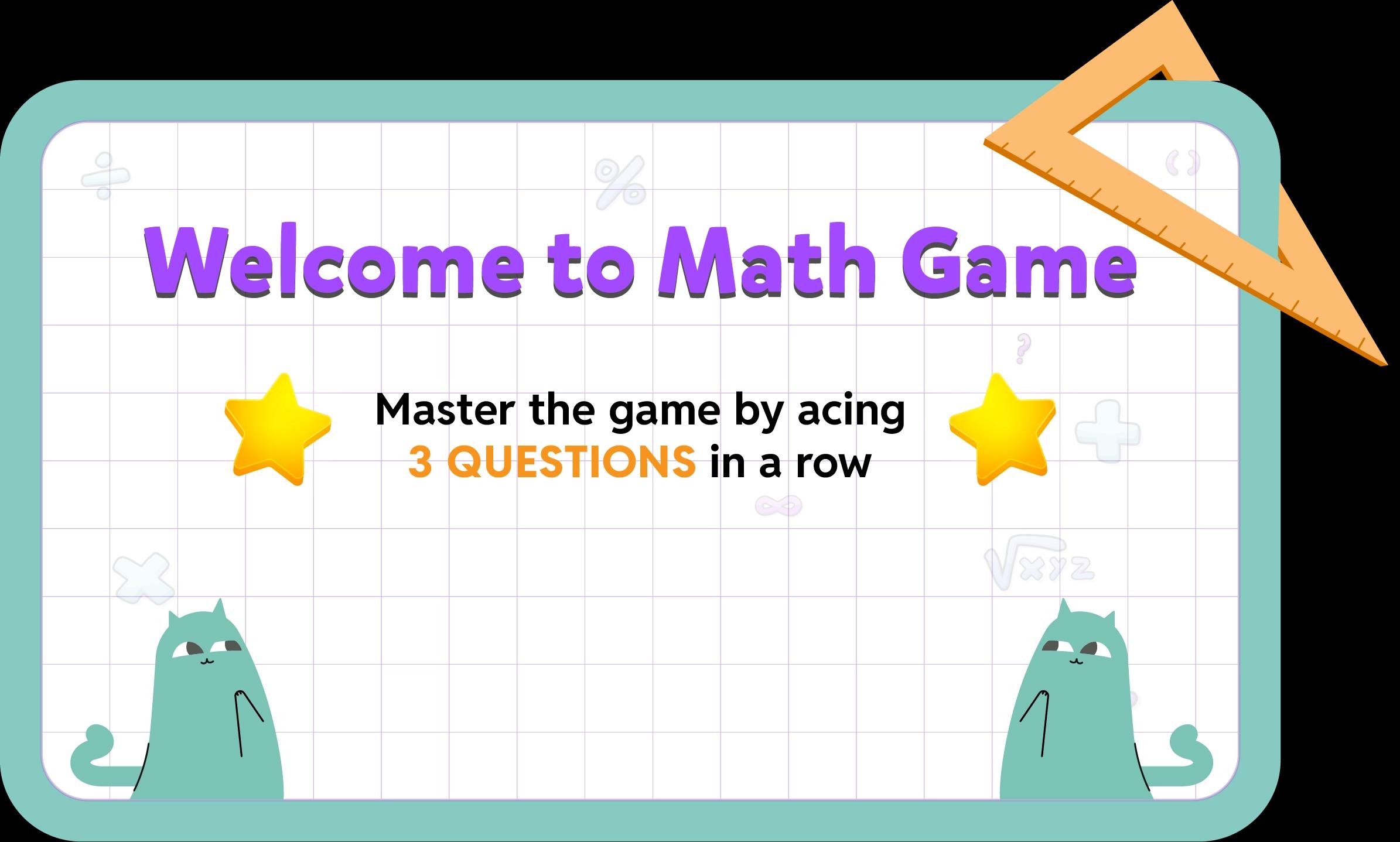
Boost your math skills with this fun and interactive game. Practice Direct Variations step by step and develop a deeper understanding along the way. This interactive activity makes learning enjoyable and helps children reinforce their skills step by step. By blending fun with focused practice, it builds confidence and promotes mastery of essential math concepts.





What playful learning lies ahead?

Ratio and Proportional Relationships is a critical topic for Grade 7 students, forming the building blocks for advanced math skills. At beGalileo, we focus on step-by-step learning to ensure students grasp the concept thoroughly. Explore these engaging math games to develop a strong foundation in Ratio and Proportional Relationships and gain confidence in solving problems.
More on Ratio and Proportional Relationships
Ratio
Ratio and Proportional Relationships
Learn about ratios and write to represent relationships between two quantities.
Ratio
Learn about ratios and write to represent relationships between two quantities.
Proportion
Explore proportion to express the equality of two ratios and solve them.
Direct Variations
Understand direct variation to write and solve the same ratio with the variable change in proportions.
Inverse Variations
Explore inverse variation to solve where one quantity increases as the other decreases in related problems.
Unitary Method
Learn the unitary method for solving problems by finding the value of one unit and scaling up to find the solution.
Unit Rates
Learn to calculate unit rates, such as miles per hour or price per item, and apply them in real-life contexts.

Empower Your Child's Future with FUN Personalized Learning!